ReadChapter 3
A Long and Illustrious History
King Henry VII
At the same time the Reformation was happening across Europe. This was a movement against the authority of the Pope and the ideas and practices of the Roman Catholic Church. The Protestants formed their own churches. They read the Bible in their own languages instead of in Latin; they did not pray to saints or at shrines; and they believed that a person’s own relationship with God was more important than submitting to the authority of the Church. Protestant ideas gradually gained strength in England, Wales and Scotland during the 16th century.
In Ireland, however, attempts by the English to impose Protestantism (alongside efforts to introduce the English system of laws about the inheritance of land) led to rebellion from the Irish chieftains, and much brutal fighting followed.
During the reign of Henry VIII, Wales became formally united with England by the Act for the Government of Wales. The Welsh sent representatives to the House of Commons and the Welsh legal system was reformed.
Henry VIII was succeeded by his son Edward VI, who was strongly Protestant. During his reign, the Book of Common Prayer was written to be used in the Church of England. A version of this book is still used in some churches today. Edward died at the age of 15 after ruling for just over six years, and his half-sister Mary became queen. Mary was a devout Catholic and persecuted Protestants (for this reason, she became known as ‘Bloody Mary’). Mary also died after a short reign and the next monarch was her half-sister, Elizabeth, the daughter of Henry VIII and Anne Boleyn.
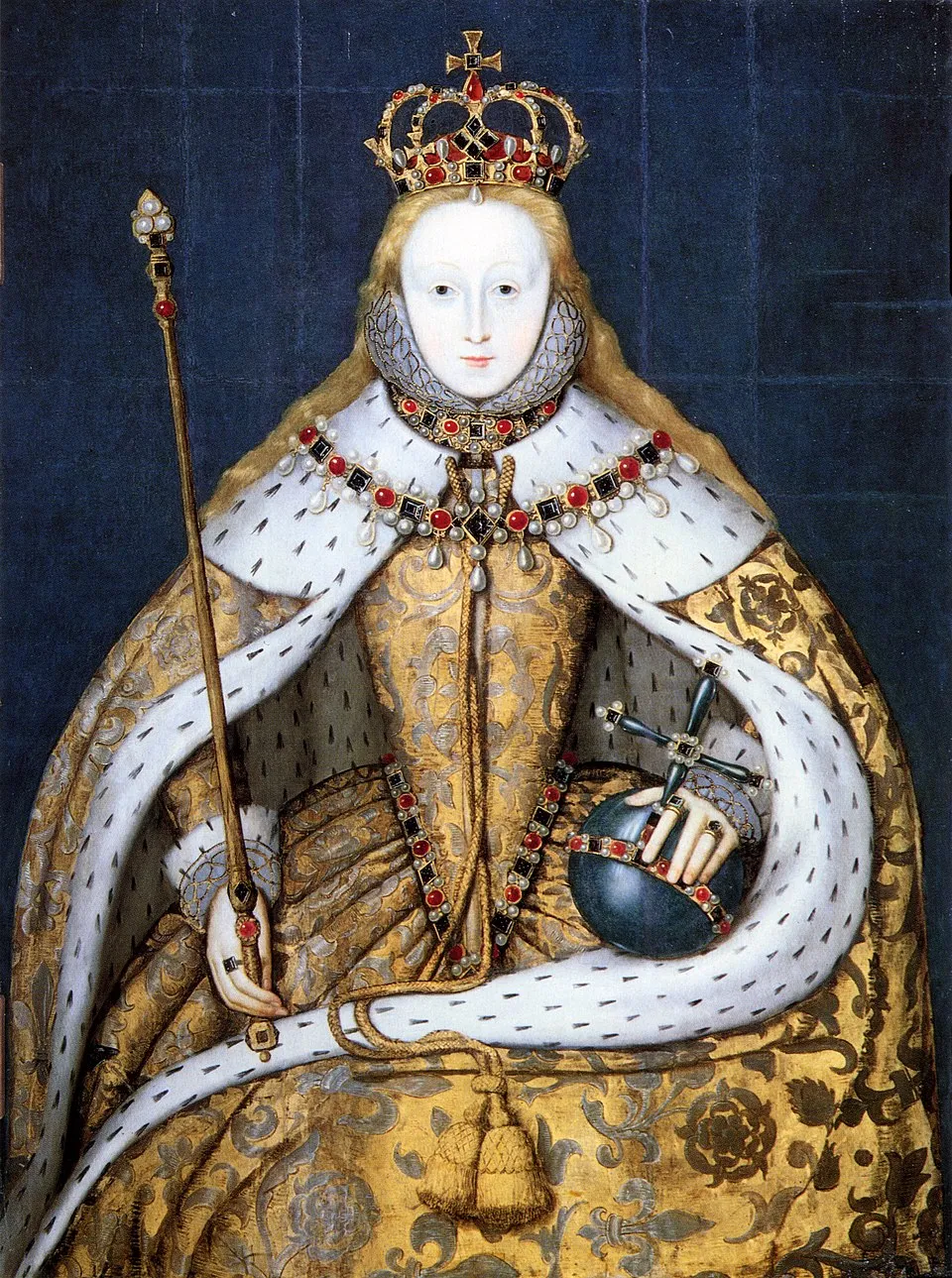
Queen Elizabeth I was a Protestant. She re-established the Church of England as the official Church in England. Everyone had to attend their local church and there were laws about the type of religious services and the prayers which could be said, but Elizabeth did not ask about people’s real beliefs. She succeeded in finding a balance between the views of Catholics and the more extreme Protestants. In this way, she avoided any serious religious conflict within England. Elizabeth became one of the most popular monarchs in English history, particularly after 1588, when the English defeated the Spanish Armada (a large fleet of ships), which had been sent by Spain to conquer England and restore Catholicism.