ReadChapter 3
A Long and Illustrious History
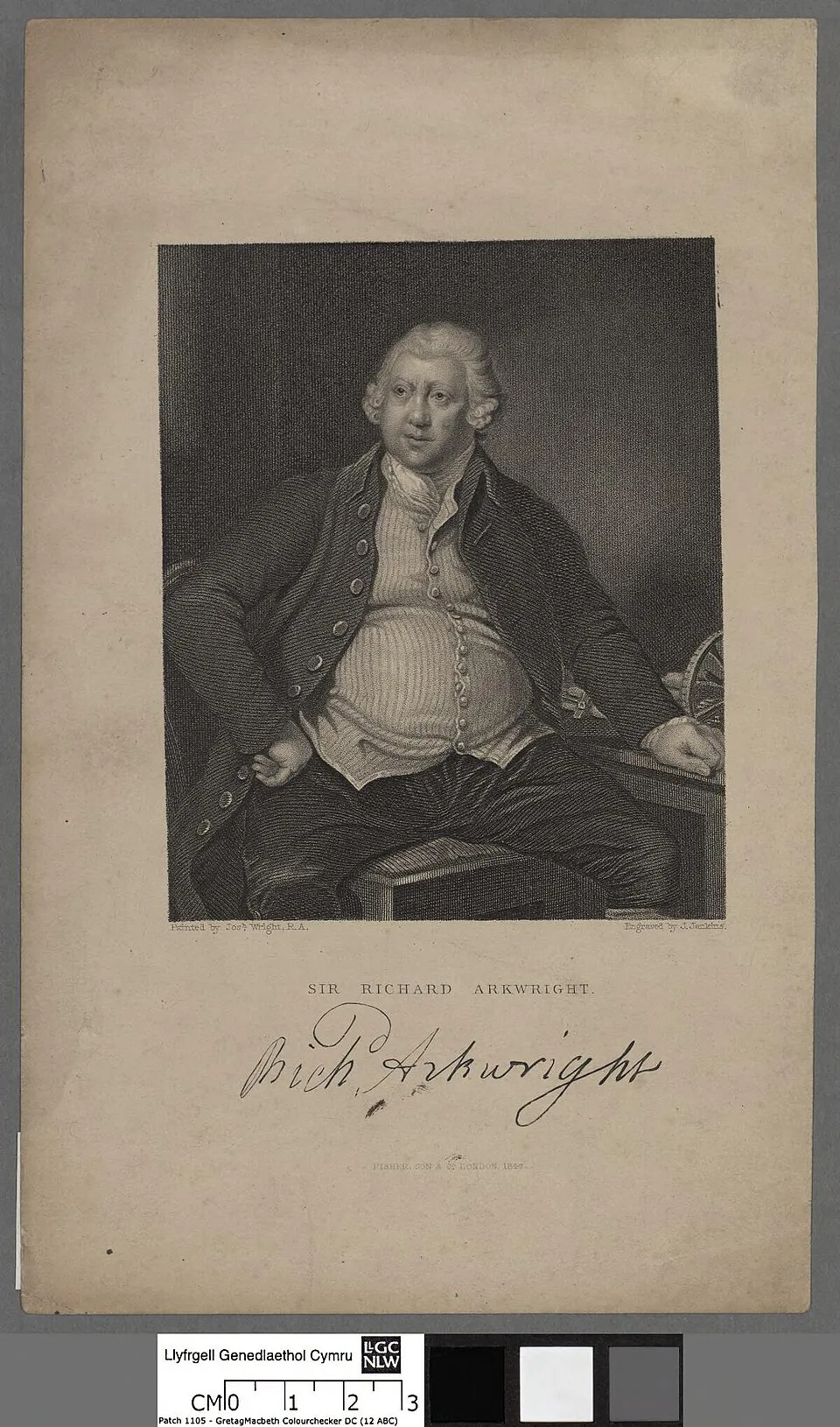
Richard Arkwright (1732–92)
Born in 1732, Arkwright originally trained and worked as a barber. He was able to dye hair and make wigs. When wigs became less popular, he started to work in textiles. He improved the original carding machine. Carding is the process of preparing fibres for spinning into yarn and fabric. He also developed horse-driven spinning mills that used only one machine. This increased the efficiency of production. Later, he used the steam engine to power machinery. Arkwright is particularly remembered for the efficient and profitable way that he ran his factories.
Better transport links were needed to transport raw materials and manufactured goods. Canals were built to link the factories to towns and cities and to the ports, particularly in the new industrial areas in the middle and north of England.
Working conditions during the Industrial Revolution were very poor. There were no laws to protect employees, who were often forced to work long hours in dangerous situations. Children also worked and were treated in the same way as adults. Sometimes they were treated even more harshly.
This was also a time of increased colonisation overseas. Captain James Cook mapped the coast of Australia and a few colonies were established there. Britain gained control over Canada, and the East India Company, originally set up to trade, gained control of large parts of India. Colonies began to be established in southern Africa.
Britain traded all over the world and began to import more goods. Sugar and tobacco came from North America and the West Indies; textiles, tea and spices came from India and the area that is today called Indonesia. Trading and settlements overseas sometimes brought Britain into conflict with other countries, particularly France, which was expanding and trading in a similar way in many of the same areas of the world.