ReadChapter 3
A Long and Illustrious History
3.5.4 The Second World War
Adolf Hitler came to power in Germany in 1933. He believed that the conditions imposed on Germany by the Allies after the First World War were unfair; he also wanted to conquer more land for the German people. He set about renegotiating treaties, building up arms, and testing Germany’s military strength in nearby countries. The British government tried to avoid another war. However, when Hitler invaded Poland in 1939, Britain and France declared war in order to stop his aggression.
The war was initially fought between the Axis powers (fascist Germany and Italy and the Empire of Japan) and the Allies. The main countries on the allied side were the UK, France, Poland, Australia, New Zealand, Canada, and the Union of South Africa.
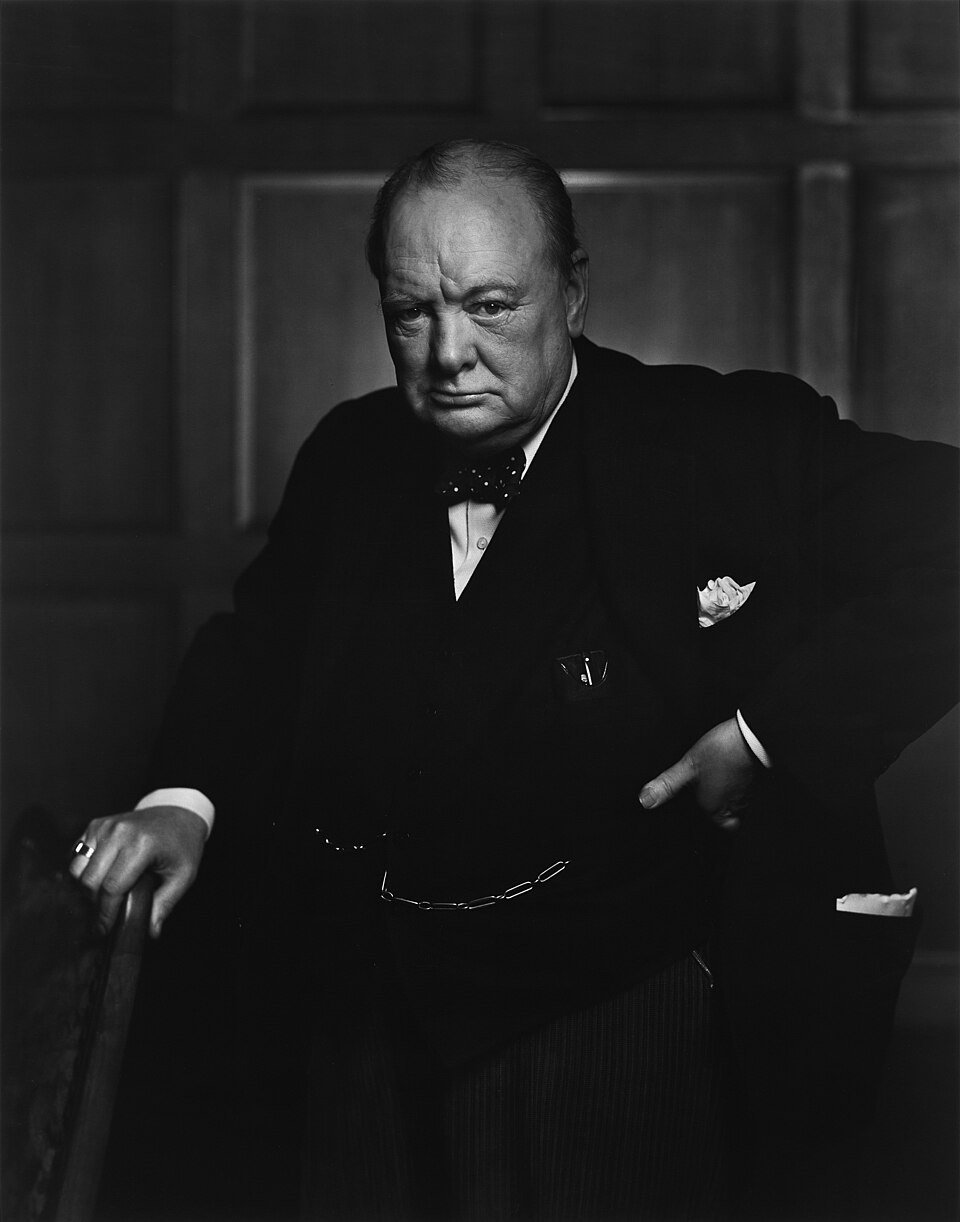
Having occupied Austria and invaded Czechoslovakia, Hitler followed his invasion of Poland by taking control of Belgium and the Netherlands. Then, in 1940, German forces defeated allied troops and advanced through France. At this time of national crisis, Winston Churchill became Prime Minister and Britain’s war leader.
As France fell, the British decided to evacuate British and French soldiers from France in a huge naval operation. Many civilian volunteers in small pleasure and fishing boats from Britain helped the Navy to rescue more than 300,000 men from the beaches around Dunkirk. Although many lives and a lot of equipment were lost, the evacuation was a success and meant that Britain was better able to continue the fight against the Germans. The evacuation gave rise to the phrase ‘the Dunkirk spirit’.
From the end of June 1940 until the German invasion of the Soviet Union in June 1941, Britain and the Empire stood almost alone against Nazi Germany.
Hitler wanted to invade Britain, but before sending in troops, Germany needed to control the air. The Germans waged an air campaign against Britain, but the British resisted with their fighter planes and eventually won the crucial aerial battle against the Germans, called ‘the Battle of Britain’, in the summer of 1940. The most important planes used by the Royal Air Force in the Battle of Britain were the Spitfire and the Hurricane – which were designed and built in Britain. Despite this crucial victory, the German air force was able to continue bombing London and other British cities at night-time. This was called the Blitz. Coventry was almost totally destroyed and a great deal of damage was done in other cities, especially in the East End of London. Despite the destruction, there was a strong national spirit of resistance in the UK. The phrase ‘the Blitz spirit’ is still used today to describe Britons pulling together in the face of adversity.