ReadChapter 5
The UK Government, the Law and your Role
5.5.2 The police and their duties
The job of the police in the UK is to:
protect life and property prevent disturbances (also known as keeping the peace) prevent and detect crime.
The police are organised into a number of separate police forces headed by Chief Constables. They are independent of the government.
In November 2012, the public elected Police and Crime Commissioners (PCCs) in England and Wales. These are directly elected individuals who are responsible for the delivery of an efficient and effective police force that reflects the needs of their local communities. PCCs set local police priorities and the local policing budget. They also appoint the Chief Constable.
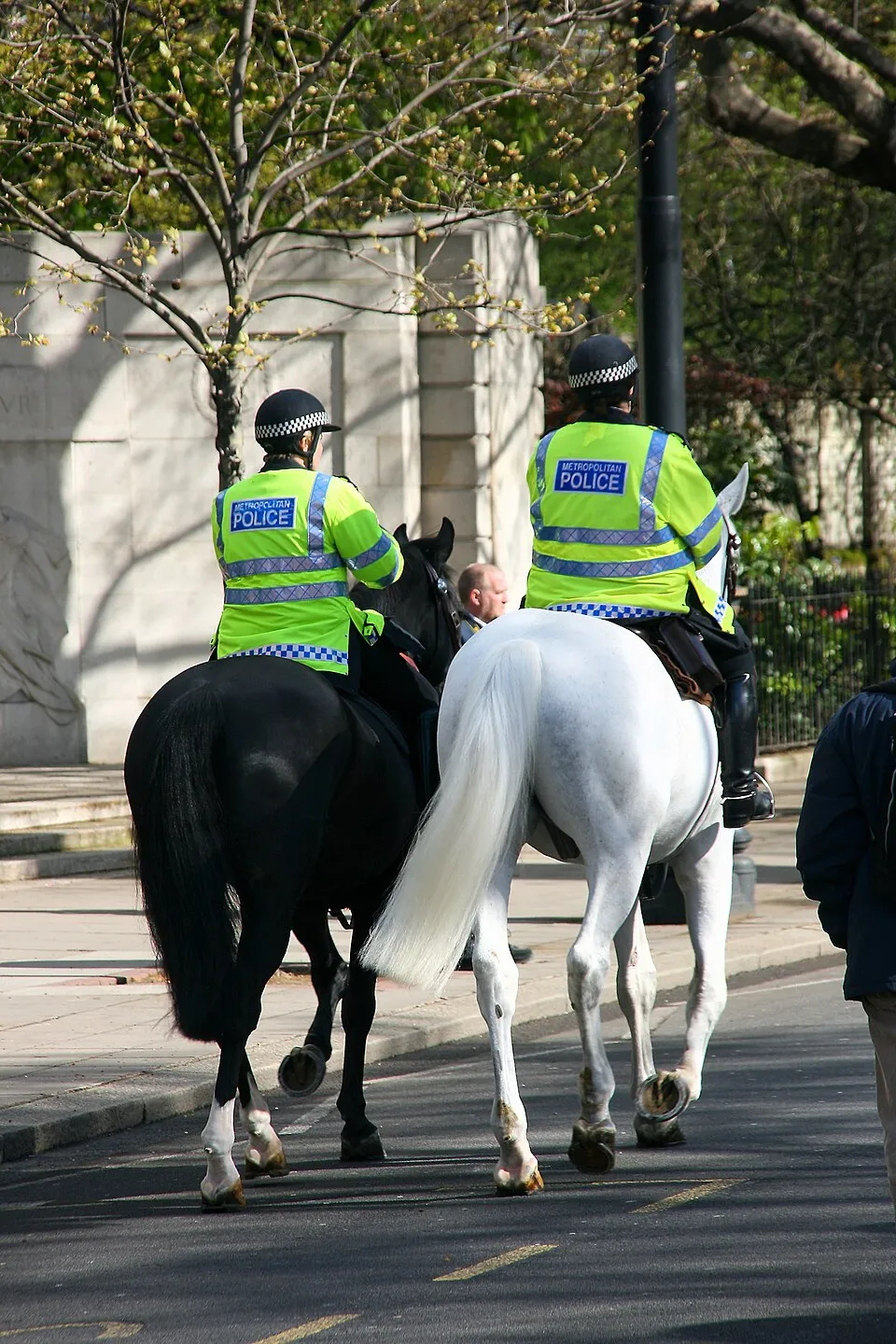
The police force is a public service that helps and protects everyone, no matter what their background or where they live. Police Officers must themselves obey the law. They must not misuse their authority, make a false statement, be rude or abusive, or commit racial discrimination. If police Officers are corrupt or misuse their authority they are severely punished.
Police Officers are supported by police community support Officers (PSCOs). PSCOs have different roles according to the area but usually patrol the streets, work with the public, and support police Officers at crime scenes and major events.
All people in the UK are expected to help the police prevent and detect crimes whenever they can. If you are arrested and taken to a police station, a police Officer will tell you the reason for your arrest and you will be able to seek legal advice.
If something goes wrong, the police complaints system tries to put it right. Anyone can make a complaint about the police by going to a police station or writing to the Chief Constable of the police force involved. Complaints can also be made to an independent body: the Independent Police Complaints Commission in England and Wales, the Police Complaints Commissioner for Scotland or the Police Ombudsman for Northern Ireland.