ReadChapter 5
The UK Government, the Law and your Role
5.2.2 The monarchy
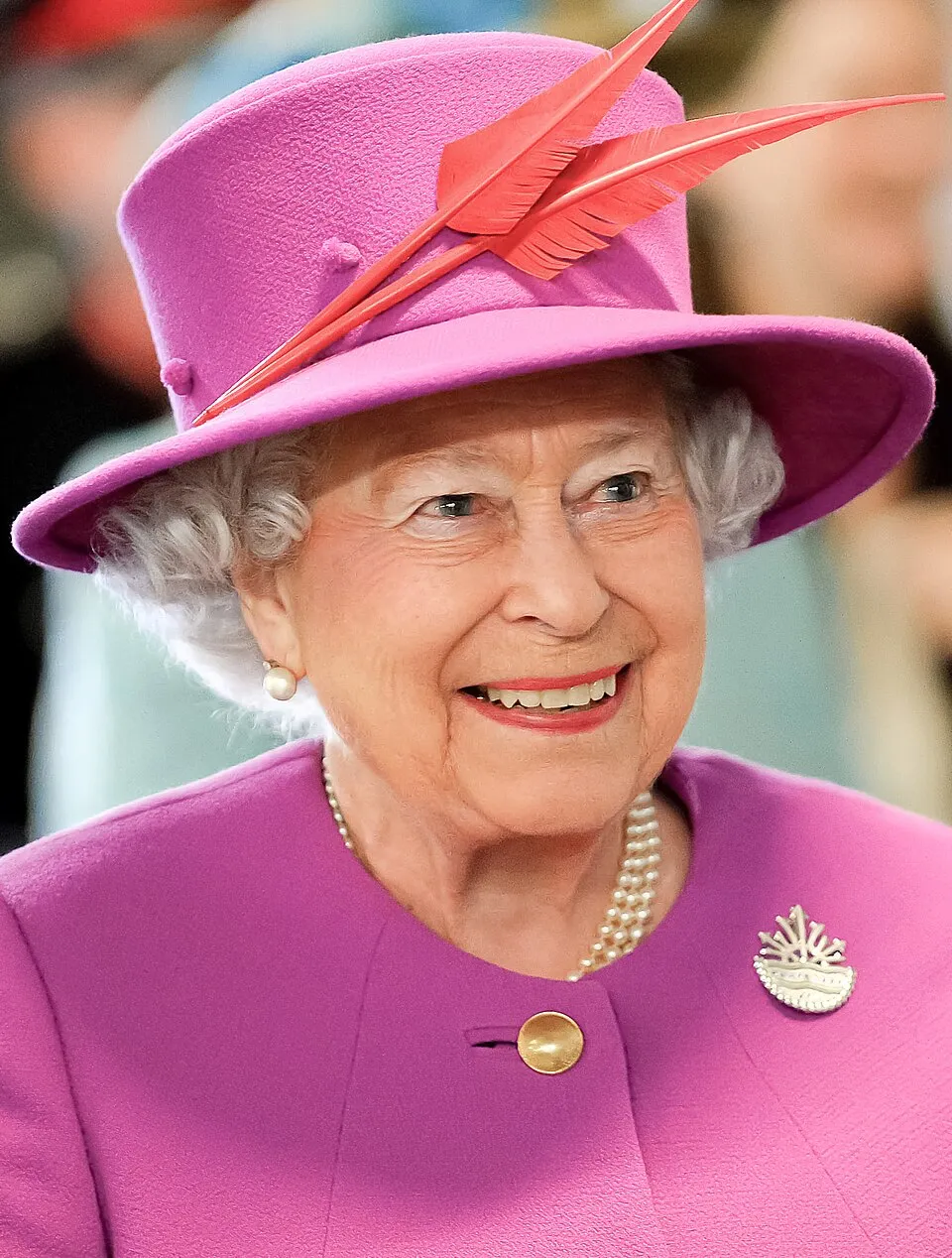
Queen Elizabeth II is the head of state of the UK. She is also the monarch or head of state for many countries in the Commonwealth. The UK has a constitutional monarchy. This means that the king or queen does not rule the country but appoints the government, which the people have chosen in a democratic election. The monarch invites the leader of the party with the largest number of MPs, or the leader of a coalition between more than one party, to become the Prime Minister. The monarch has regular meetings with the Prime Minister and can advise, warn and encourage, but the decisions on government policies are made by the Prime Minister and cabinet.
The Queen has reigned since her father’s death in 1952, and in 2012 she celebrated her Diamond Jubilee (60 years as queen). She is married to Prince Philip, the Duke of Edinburgh. Her eldest son, Prince Charles (the Prince of Wales), is the heir to the throne.
The Queen has important ceremonial roles, such as the opening of the new parliamentary session each year. On this occasion the Queen makes a speech which summarises the government’s policies for the year ahead. All Acts of Parliament are made in her name.
The Queen represents the UK to the rest of the world. She receives foreign ambassadors and high commissioners, entertains visiting heads of state, and makes state visits overseas in support of diplomatic and economic relationships with other countries.
The Queen has an important role in providing stability and continuity. While governments and Prime Ministers change regularly, the Queen continues as head of state. She provides a focus for national identity and pride, which was demonstrated through the celebrations of her Jubilee.