ReadChapter 4
A Modern, Thriving Society
4.3.3 Other festivals and traditions
New Year , 1 January, is a public holiday. People usually celebrate on the night of 31 December (called New Year’s Eve). In Scotland, 31 December is called Hogmanay and 2 January is also a public holiday. For some Scottish people, Hogmanay is a bigger holiday than Christmas.
Valentine’s Day , 14 February, is when lovers exchange cards and gifts. Sometimes people send anonymous cards to someone they secretly admire.
April Fool’s Day , 1 April, is a day when people play jokes on each other until midday. The television and newspapers often have stories that are April Fool jokes.
Mothering Sunday (or Mother’s Day) is the Sunday three weeks before Easter. Children send cards or buy gifts for their mothers.
Father’s Day is the third Sunday in June. Children send cards or buy gifts for their fathers.
Halloween , 31 October, is an ancient festival and has roots in the pagan festival to mark the beginning of winter. Young people will often dress up in frightening costumes to play ‘trick or treat’. People give them treats to stop them playing tricks on them. A lot of people carve lanterns out of pumpkins and put a candle inside.
Bonfire Night , 5 November, is an occasion when people in Great Britain set off fireworks at home or in special displays. The origin of this celebration was an event in 1605, when a group of Catholics led by Guy Fawkes failed in their plan to kill the Protestant king with a bomb in the Houses of Parliament.
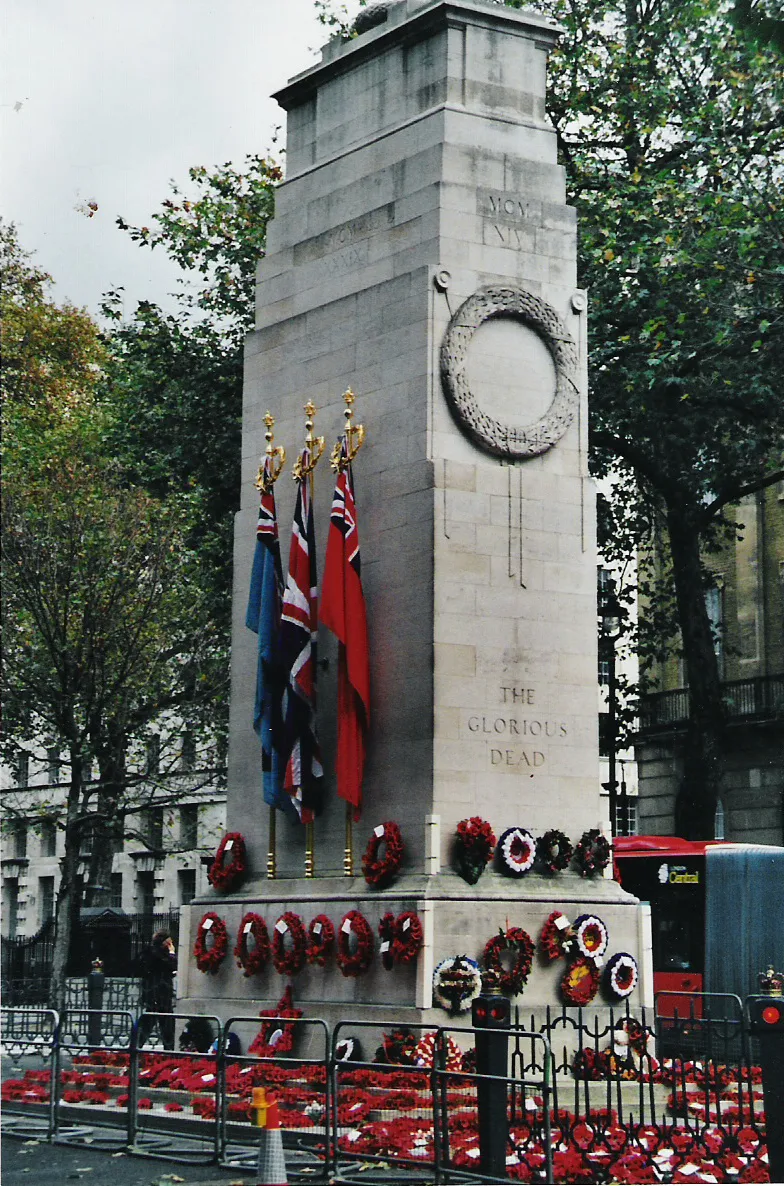
Remembrance Day , 11 November, commemorates those who died fighting for the UK and its allies. Originally it commemorated the dead of the First World War, which ended on 11 November 1918. People wear poppies (the red flower found on the battlefields of the First World War). At 11.00 am there is a two-minute silence and wreaths are laid at the Cenotaph in Whitehall, London.